In today's business landscape, live events and in-person brand experiences have become more than one-time events—they're the currency of connection. Clients, employees and partners expect moments that are intentional, engaging and deeply personal.
Live events create opportunities for brands to bring communities together, spark authentic conversations and build trust in ways digital-only experiences can't replicate. Experience companies specialize in designing these touchpoints—in-person, virtual, or hybrid—so that every interaction is intentional, immersive and aligned with business goals. For modern brands, investing in experiences isn't just about hosting events—it's about creating connections that drive measurable results and long-term loyalty.
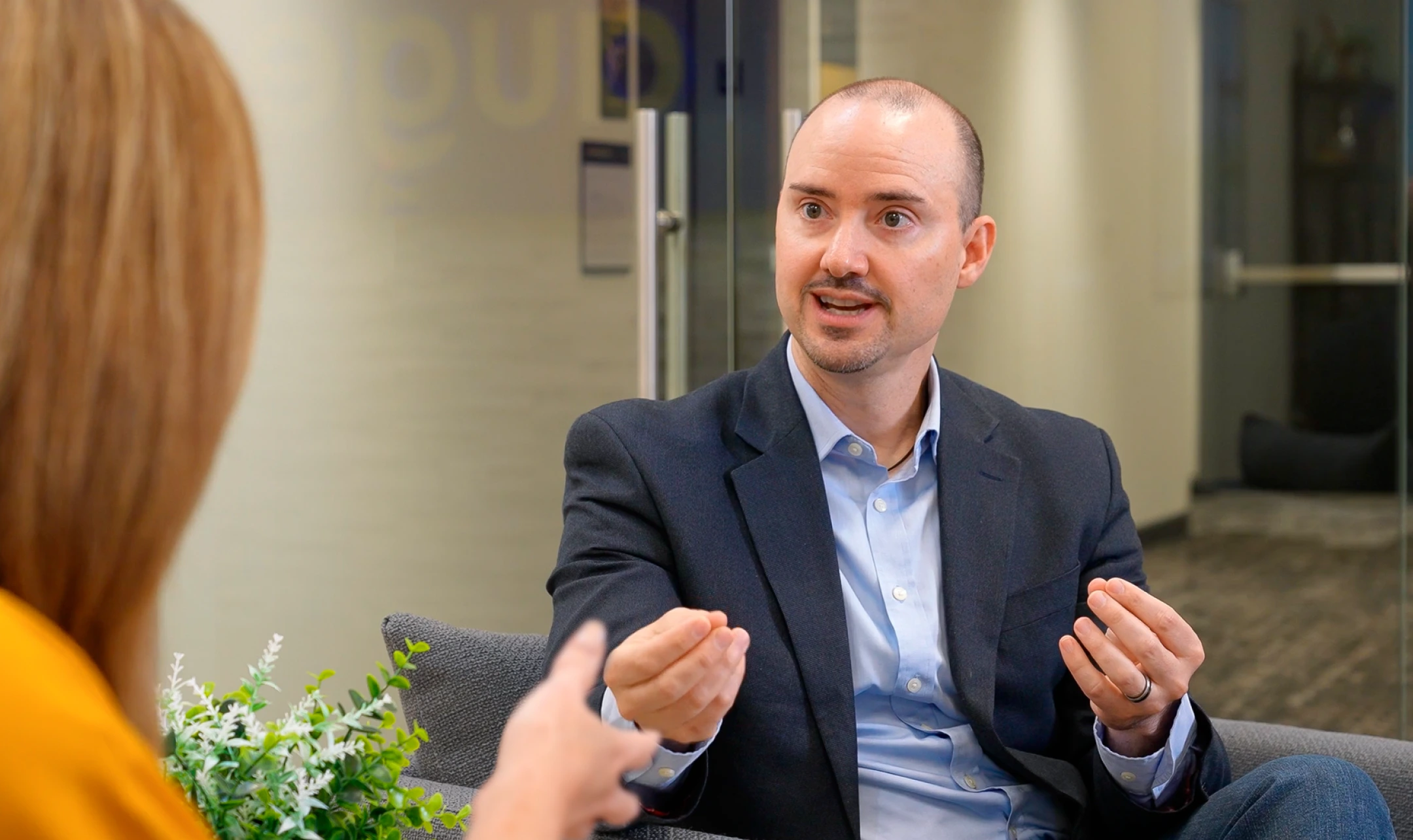
“If you take a strategic approach to events [and ensure] your audience comes first—that translates [across hybrid, in person and virtual event experiences]."
- Kevin Cobb (Augeo team expert) on the centrality of audience-centric strategy
A total event experience strategy connects every touchpoint, from pre-event anticipation to post-event engagement, into one cohesive story. Each phase is designed to drive impact and deliver meaningful results. This strategic approach ensures experiences resonate deeply, extending their shelf life and maximizing ROI.
Immersive in-person experiences are designed to represent the company's values, which starts by uncovering the brand's deeper story. The discovery of this bold thread connects purpose, audience and outcomes. Through strategic discovery, creative design and seamless execution, each element aligns to express the brand's narrative. The result? Authentic interactions that build community amongst attendees and inspire action.
Data transforms engagement from guesswork into precision. By leveraging analytics, behavioral insights and personalization tools, brands can tailor each touchpoint in real time. This creates experiences that not only feel personal but also tie directly to business outcomes, strengthening both emotional connection and ROI.
“The key to their success hinges on utilizing event technology and data. By producing experiential events informed by data intelligence, brands can engage event attendees on a deeper level…”> **
-Augeo’s President of Experience Joan Wells, on the critical role of data in experiential events**
AI is redefining the way brands design and deliver experiences. From predictive analytics that forecast attendee interests to real-time personalization during events, AI transforms every touchpoint into a data-informed moment of connection. It streamlines logistics, optimizes engagement through intelligent matchmaking and surfaces actionable insights that extend long after the event ends—helping brands continuously refine and elevate the attendee journey.
How does storytelling elevate brand engagement?
Storytelling turns brand messaging into an immersive experience that moves people to act. Whether guiding attendees through an interactive installation or aligning narrative arcs with live design, effective storytelling builds emotional resonance. When done well, it forges attendee connection, enhances brand memory and inspires lasting loyalty.
The most impactful events extend beyond the moment itself by fueling continued engagement. Post-event surveys, data insights, gifting and community tools keep conversations alive and strengthen long-term relationships.
Organizations of all sizes—from Fortune 500 companies to emerging brands—benefit from a strategic experience partner. Whether launching a product, hosting employee summits, or building brand activations, the right partner helps navigate complexity with confidence and delivers measurable results through creativity, technology and flawless execution.
“When you work with more than 50 Fortune 500 companies and hundreds of others, you need to constantly evolve your platform and services… Clients have been very receptive and appreciative that we had imaginative solutions ready and waiting.”> **
-Kari Vrba, Chief Commercial Officer, on Augeo’s quick pivot to virtual events**
What kind of experience would best fit a brand is dependent on a number of factors: goals, time, budget and the narrative the brand is looking to craft. The best part is that modern experiences span in-person, virtual and hybrid formats to meet audiences wherever they are and any format can deliver a one-of-a-kind experience.
How is interactivity woven into brand storytelling?
Interactivity deepens engagement by transforming audiences from observers to participants. Gamified challenges, collaborative workshops, or surprise-and-delight gifting moments make the experience more memorable for attendees. These elements turn stories into two-way experiences that foster deeper emotional connections and make every attendee feel part of something bigger.
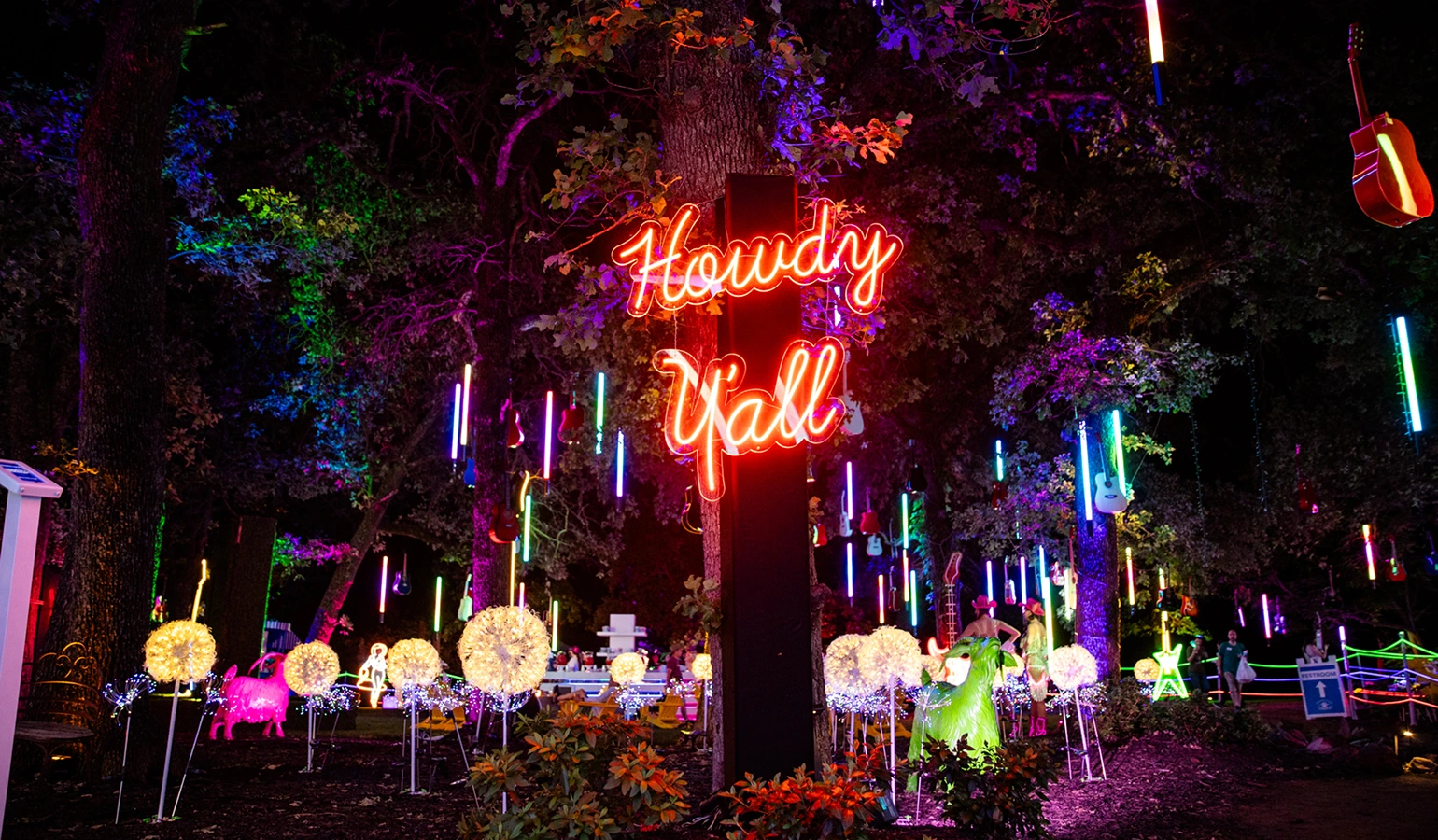
Immersive experiences engage multiple senses and create lasting memories, not just moments. By blending storytelling, environment and hyper-personalization, brands create emotional connections that last far beyond the event itself. Immersion is more than just a design tactic—it's a driver of loyalty and advocacy.
Technology should amplify the story rather than compete with it. Imagine placing a VR headset on and walking into your newly designed dream closet to open the drawers and cabinets with the hand controls. When digital enhancements like VR, AR, apps or live feeds are seamlessly aligned with the narrative, they elevate engagement and keep the focus on the brand message.
AI makes experiences adaptive by personalizing them in real time and predicting what participants need next. This ensures every interaction feels curated, which boosts engagement and delivers stronger ROI.
While many companies can ideate an experience, it takes a veteran team, ideally under one roof, to charter a path through the organization, logistics and storytelling it takes to bring that idea to life. It takes a specialized company to blend creativity, technology and years of acquired knowledge to deliver the measurable impact expected from this type of undertaking.
When you look at what it takes to create meaningful experiences today—seamless strategy, immersive design, personalized engagement, innovative technology and lasting impact—it's clear that no single piece can stand alone. It requires a total experience strategy to connect data and AI to ensure relevance in real time. Storytelling brings brands narratives to life with active participants experiencing a fully realized world. Virtual and hybrid formats expand event reach without losing authenticity and with emerging technologies push the boundaries of what's possible. Most importantly, the value doesn't end when the event does—the impact persists and it extends through community, loyalty and advocacy for a brand the customer feels more attached to.
With decades of expertise and a future-focused approach, Augeo Experience weaves these elements together into experiences that deliver measurable ROI and lasting emotional connection. Whether you're designing conferences, activations, roadshows or shared experiences, Augeo Experience powers brand immersion at scale. For brands that want more than moments—for those seeking loyalty, advocacy and growth—Augeo Experience is the partner to take ideas and turn them into an event worth remembering.
As organizations look to design more meaningful and measurable experiences, a few common questions often arise.
-
How can I increase ROI through my events?
ROI improves when every touchpoint is tied to clear business objectives. Data, personalization and attendee insights help brands measure impact and refine their strategy, turning engagement into long-term value.
-
What are the latest trends in events?
The latest event trends are all about maximizing impact across every touchpoint. Brands are designing experiences that deliver measurable ROI, leveraging data to personalize engagement, refine content in real time and optimize future event strategies. Experiential gifting continues to rise, turning static moments of appreciation into meaningful extensions of brand experience that live well beyond the event itself. The industry is also embracing flexible formats and adaptive content, allowing brands to meet audiences where they are, whether in-person, hybrid, or digital, with experiences and content that are equally intentional and immersive.
-
How can we make a reoccurring event feel new?
Reimagining a reoccurring event starts with evolving the story, not just the setting. The introduction of fresh themes, new formats and personalized elements informed by data and attendee insights helps brands deliver familiarity with a sense of discovery that keeps attendees engaged year after year.
-
How can we make large-scale events feel personal?
Even at scale, personalization is achievable through data, technology and thoughtful design. Tailoring content, experiences and gifting to audience segments makes every attendee feel seen and valued.
-
What are innovative ways to network at events?
Interactive workshops, gamified challenges and curated matchmaking powered by data or AI can make networking feel more organic. These formats help attendees connect on shared goals and commonalities rather than forced introductions.
-
What are the most engaging types of content from the stage?
Audiences respond best to storytelling, live demonstrations and dynamic visuals. The most effective sessions balance information with emotion, keeping attendees inspired and involved.
-
How can gifts enhance employee engagement?
Personalized gifting within an experience strengthens recognition and belonging. When tailored to individual interests, gifts become meaningful expressions of appreciation that drive lasting motivation and loyalty.
-
What’s the best way to recognize top performers?
Pair recognition with experience. Whether through curated trips, personalized events, or meaningful gifts, recognition programs that feel authentic and individualized inspire loyalty and performance.
-
What are the up-and-coming luxury destinations for incentive travel?
Up-and-coming luxury destinations are redefining incentive travel. Puerto Vallarta, Mexico is quickly becoming a premier luxury incentive travel destination, with new high-end resorts from top hospitality brands transforming its coastline into a hub for elevated group experiences. In the U.S., Savannah, Georgia is capturing attention as a boutique travel hotspot, where historic charm meets modern design and curated Southern hospitality.
Across Europe, Slovenia, Austria and Croatia are leading a wave of sustainable luxury travel, offering Michelin-level dining, boutique vineyards and cultural experiences that resonate with today's purpose-driven travelers.
The rise of luxury yachting experiences, from private charters to intimate cruises, is offering incentive groups unprecedented access to the world's most coveted coastlines.
-
When should we secure hotels for an incentive program?
Ideally 12-18 months in advance, especially for peak seasons or high-demand destinations. Early planning ensures access to premium venues and more flexibility for experience design.